
Why Clean-Beauty Messaging Influences Pop Culture
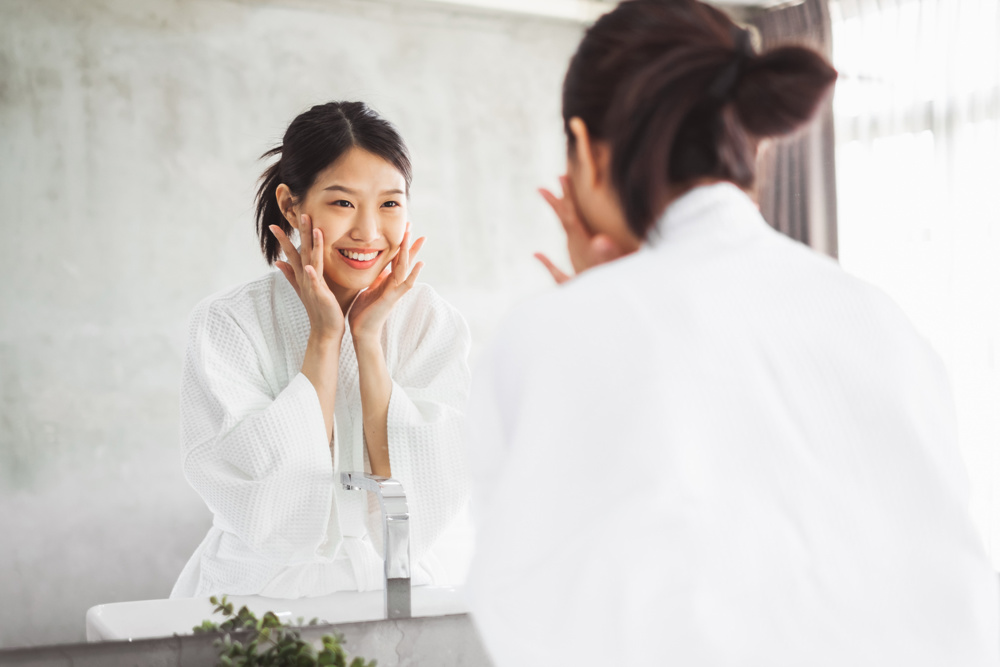
Clean beauty didn’t become influential just because of ingredients—it became cultural because it connected personal care to identity. What you put on your skin started to signal what you believe in: health, sustainability, awareness, and even social consciousness. Skincare shifted from routine to reflection.
Social media accelerated this transformation. Platforms like TikTok and Instagram turned ingredient lists into talking points and skincare routines into visual narratives. Suddenly, glowing skin wasn’t just aesthetic—it represented discipline, balance, and control. Clean beauty became less about avoidance and more about what it communicated.
What "Clean Beauty" Actually Means in 2024?
Clean beauty in 2024 is still evolving—and that’s part of the challenge. At its simplest, it refers to products formulated without ingredients widely considered harmful or controversial, such as parabens, sulfates, and certain synthetic additives. But beyond that, the definition becomes less clear.
What distinguishes clean beauty from “natural” or “organic” is its focus on safety and transparency rather than origin alone. A product doesn’t need to be entirely plant-based to be considered clean—it just needs to meet certain safety expectations. Lab-derived ingredients, for example, are often included because they can be more stable and consistent. The problem is consistency. There’s no universal definition, which means brands interpret “clean” differently.
One brand’s standard might be stricter than another’s, leaving consumers responsible for understanding ingredient lists themselves. At the same time, expectations have risen. Clean beauty is no longer just about removing ingredients—it’s about performance. Consumers now expect products to be both safe and effective, pushing brands to combine transparency with results.
How TikTok Turned Clean Beauty Into a Cultural Movement
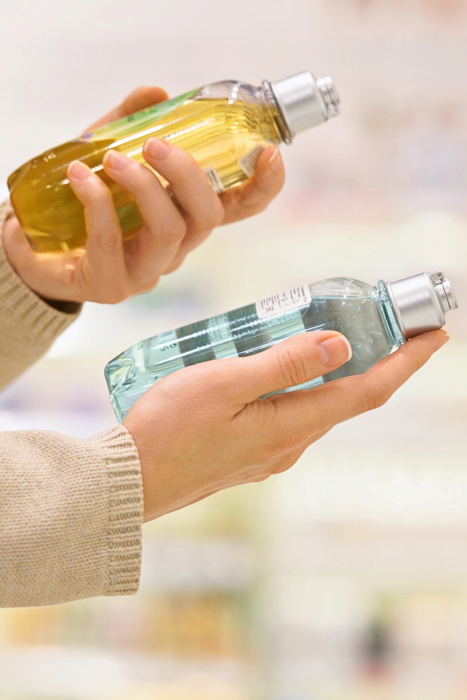
TikTok didn’t just promote clean beauty—it transformed it into a movement. The platform’s algorithm rewards engagement, which means content that feels authentic, relatable, or visually appealing spreads quickly. Short videos explaining ingredients, reviewing products, or showing skincare routines created a new kind of accessibility.
Instead of relying on advertisements, people learned through creators who felt like peers. This shift changed how trust works in beauty. The scale is what makes it powerful. Trends like the “clean girl aesthetic” gained billions of views, turning minimal makeup, glowing skin, and simple routines into a widely recognized standard. What started as individual content became a shared visual language.
This isn’t just marketing—it’s cultural reinforcement. When millions of people see the same routines and aesthetics repeatedly, they start to feel normal, even expected. TikTok didn’t create clean beauty, but it gave it visibility and speed.
The Clean Girl Aesthetic and Its Real Cultural Origins
What TikTok branded as fresh and effortless in 2021 had roots stretching back decades into Black and Latina communities. The Clean Girl aesthetic isn't original—it's stylized appropriation, repackaging cultural elements while erasing their origins. You're seeing cultural erasure in real time when you consider:
- Gold hoops and slicked-back buns were labeled "ghetto" on Latinas in the 1990s but became "chic" on white influencers
- South Asian women were mocked for oiling their hair, now marketed as a luxury wellness trend
- Thick eyebrows were professionally penalized on women of color before becoming aspirational
- These styles gained mainstream validation only when white, thin influencers adopted them
The communities who created these looks received no credit—just erasure. The Chola aesthetic, pioneered by Chicana women, introduced high-shine lip gloss and slicked-back hair as markers of cultural identity long before they were rebranded as trendy.
The Cultural Roots Clean Beauty Keeps Ignoring
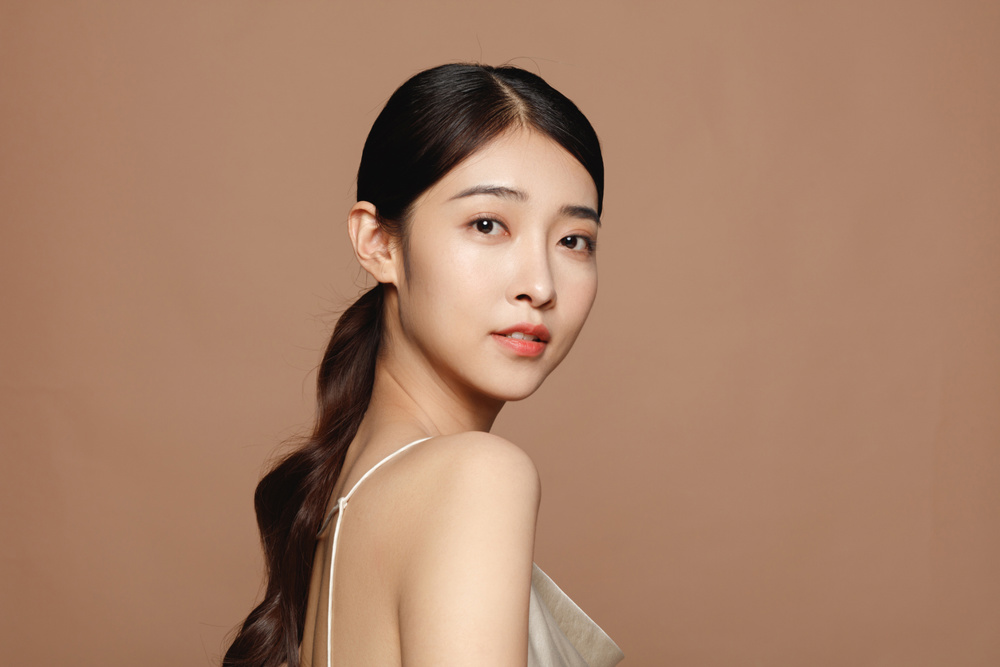
The beauty practices now rebranded as "clean" didn't originate in minimalist wellness studios or influencer flat lays—they came from Black, Latina, South Asian, and Middle Eastern communities who built these traditions long before TikTok existed. Gold hoops, slicked buns, and glowing skin carried ritual significance—marking rites of passage, cultural identity, and ancestral knowledge.
When White influencers repackaged these looks as effortlessly minimal, they committed cultural erasure, stripping away the communities that created them. The same Black and Brown women penalized for wearing these styles "unprofessionally" watched those looks go viral without credit.
Clean beauty's roots in ancient African, Asian, and Indigenous natural remedies tell the same story—practices absorbed by Western markets while their originators get written out of the narrative entirely. African black soap, for instance, has been used for hundreds to thousands of years, derived from plant ash, cocoa pod ash, or sweet potato skins long before it became a trending ingredient on wellness shelves.
Check out MrPopCulture.com and learn more about pop culture trends in clean beauty.
The Celebrities Who Made Clean Beauty Feel Mainstream
Celebrity endorsement rarely transforms a niche trend into a cultural movement—but clean beauty is one case where it did. Gwyneth Paltrow launched goop.com and built a clean beauty empire that pulled the movement out of health-food stores and into mainstream culture. Miranda Kerr followed by creating her own noni-berry-driven line after recognizing the limits of single-ingredient naturals.
These women didn't just use clean products—they built identities around them. Naomi Watts extended this identity into retail by opening Onda in Paddington, a store dedicated exclusively to clean beauty products and facials. Here's why that matters to you:
- You started questioning your ingredient labels because someone famous did first
- Their visibility made "clean" feel aspirational, not fringe
- They normalized spending more on what goes on your body
- Their influence shaped what brands you now trust on store shelves
Why Gen Z Trusts Influencers Over Clean Beauty Brands?
Something fundamental has shifted in how Gen Z vets clean beauty—they don't take brand messaging at face value. You're more likely to trust a dermatologist on TikTok than a polished ad, and the numbers back that up. Expert creators drive 36% of purchasing influence, while celebrities only manage 21%.
Peer credibility matters here. Influencers who feel like friends capture 30% of Gen Z's trust because they scrutinize ingredient lists, call out greenwashing, and verify cruelty-free claims openly. That kind of transparency hits differently than a brand's curated narrative.
Algorithm trust also plays a role. TikTok's algorithm surfaces authentic reviews and tutorials directly to you, making influencer voices feel earned rather than paid for. That's exactly why 58% of Gen Z buys based on influencer recommendations over brand messaging. Social commerce has doubled, now accounting for 12% of total beauty purchases, signaling that trust-driven influence is increasingly converting directly into sales.
How Clean Beauty Reshaped Pop Culture's Idea of Healthy Skin?
Clean beauty has fundamentally rewired what pop culture considers healthy skin. You now see minimal skincare routines celebrated over heavy foundation layers. Glowing skin carries wellness symbolism, signaling discipline, health, and intentionality rather than vanity.
Skin first aesthetics dominate TikTok and Instagram, making authentic radiance the ultimate beauty currency. The clean girl aesthetic, which originated from the no-makeup makeup look, extended this cultural shift by linking natural-looking skin to broader lifestyle choices like diet, sleep, and exercise.
This cultural shift touches you personally because it challenges what beauty once demanded:
- Transparency wins: Consumers reject synthetic formulas hiding behind luxury branding
- Prevention over coverage: Long-term skin health outvalues perfect concealment
- Relatability replaces perfection: Real, glowing skin feels more aspirational than filters
- Wellness becomes identity: Your skincare routine now reflects your values, not just your appearance
Clean beauty didn't just change products — it redefined what healthy skin means culturally.
When Clean Beauty Messaging Crosses Into Fear-Based Marketing
What began as a wellness-driven movement has, for many brands, quietly mutated into something more manipulative. Fear marketing now drives purchasing decisions, replacing genuine education with ingredient panic designed to make you anxious rather than informed.
Brands practice toxic framing by labeling anything synthetic as dangerous while positioning "natural" as inherently safe — a false, unscientific binary. Beautycounter's ban of 1,500 ingredients exemplifies dose ignorance, treating concentration and context as irrelevant. Apps like Yuka and EWG's Skin Deep databases reinforce these fears, assigning alarming ratings without considering actual exposure levels. You're basically being sold in panic.
Deceptive marketing plants doubt that's genuinely hard to uproot, mirroring anti-vaccination controversy. The result isn't empowerment — it's manufactured anxiety that prioritizes profit over your ability to make genuinely informed choices. Scientists and formulators have increasingly found themselves in adversarial dynamics with brands that profit from dismissing evidence-based safety evaluations.
How Clean Beauty Brands Turned Packaging Into a Pop Culture Signal
Beyond the fear-based messaging that drives so many purchasing decisions, there's another layer to clean beauty's cultural grip — one that doesn't even need an ingredient list to do its work. Visual packaging has become its own language, communicating values before you read a single word.
Clean beauty brands now turn sustainable customization and design into cultural signals you actually want to display:
- Refillable jars and recycled glass make ethics feel aspirational, not sacrificial
- Bright, eccentric graphics transform products into shelf-worthy identity statements
- Engraved or modular components create ownership that feels personal and irreplaceable
- Nostalgic, limited-edition motifs tap into community belonging and collector culture
You're not just buying skincare. You're buying a visual shorthand for who you are. Some brands are pushing this identity language even further into material form, with mycelium-based outer packaging crafted from mushroom substrates signalling a commitment to the planet that no label copy could fully replicate.
What the Next Phase of Clean Beauty Will Actually Look Like
The next phase of clean beauty isn't just an evolution — it's a structural overhaul of how products get made, proven, and personalized. You'll see brands leaning hard into biotech ethics, using lab-grown and fermented ingredients that slash ecological footprints without sacrificing performance.
Supply transparency won't be optional — you'll expect exact ingredient percentages, sourcing origins, and third-party testing results upfront. AI will analyze your skin type and adjust formulations in real time, while blockchain locks down provenance. Microbiome-friendly actives and pre/postbiotics will become baseline, not a differentiator.
Refillable packaging and circular systems will replace single-use as the default. Clean beauty's next chapter demands proof, not promises — and brands that can't deliver the data simply won't survive the shift. Retailer clean standards, like Credo Beauty's Dirty List™ restricting more than 2,700 substances, will continue raising the formulation bar that every brand must clear to compete.
Conclusion
Clean beauty’s influence on pop culture goes far beyond skincare. It reflects a larger shift in how people think about identity, transparency, and consumption. From TikTok trends to packaging design, every element contributes to a broader narrative. Products are no longer just functional—they’re expressive, signaling values and lifestyle choices.
At the same time, the movement isn’t without complexity. Questions around authenticity, cultural origins, and marketing practices continue to shape how clean beauty is understood. What remains consistent is its relevance. As long as people seek alignment between what they use and who they are, clean beauty will continue to evolve—not just as a trend, but as part of the culture itself.