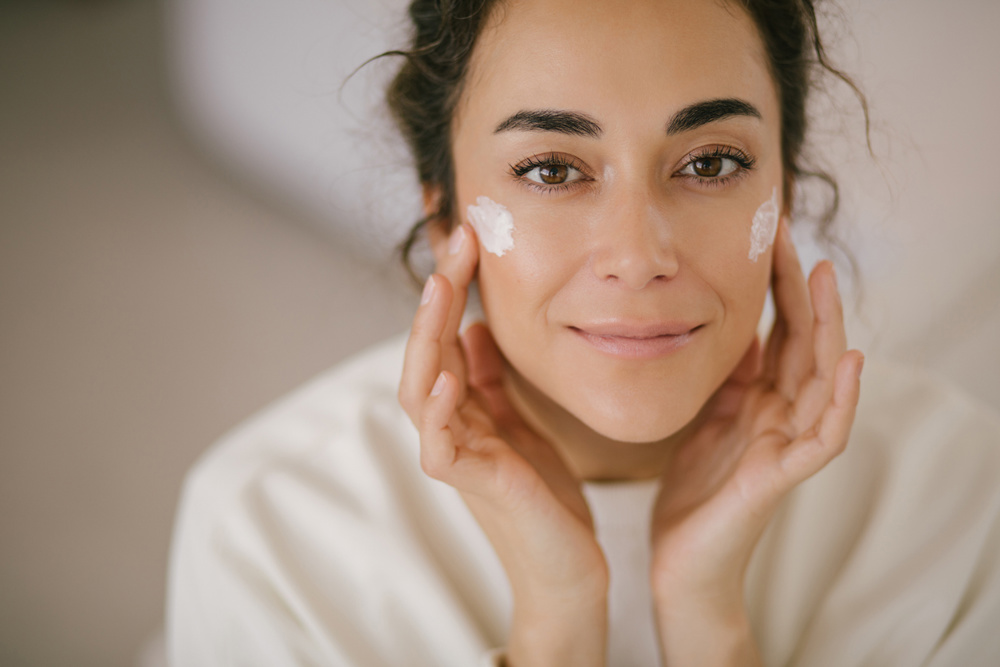
A Monthly Moisturizer Calendar for Every Season

Your skin isn’t static—it reacts constantly to changes in temperature, humidity, and environment. Yet many routines stay the same year-round, which is where problems begin. A moisturizer that works in July won’t necessarily support your skin in January, and ignoring those shifts can lead to dryness, irritation, or imbalance.
A seasonal moisturizer calendar helps you stay ahead of those changes. Instead of reacting to issues after they appear, you adjust your routine proactively. Winter calls for rich, barrier-repairing creams, while summer demands lighter, breathable hydration. Transitional seasons like spring and fall require a balance between the two.
How Skin Changes From Season to Season
Your skin responds directly to its environment, and each season introduces different stressors that affect its behavior. These changes aren’t subtle—they impact hydration levels, oil production, sensitivity, and overall barrier function.
- Winter is the most demanding season for moisture. Cold air outside and dry heat indoors strip hydration from the skin, weakening its protective barrier and leading to tightness, flaking, and irritation. Without proper support, the skin becomes more vulnerable to environmental damage.
- Spring introduces a different challenge. Rising pollen levels and fluctuating temperatures can trigger sensitivity, especially for those prone to allergies or conditions like eczema. The skin may become reactive, requiring lighter products that still maintain hydration without overwhelming it.
- Summer shifts the focus again. Heat and humidity increase oil production, often leading to clogged pores and breakouts. Sweat and sunscreen buildup can further disrupt the skin’s balance, making lightweight, breathable hydration essential.
- Fall acts as a transition period. Temperature swings and lower humidity begin to weaken the skin barrier again, while lingering summer damage—like dehydration or uneven tone—becomes more noticeable. This is the time to restore and prepare for colder conditions ahead.
Understanding these patterns is key. Your skin isn’t unpredictable—it’s responding logically to its environment. When you adjust your routine accordingly, you work with those changes rather than against them.
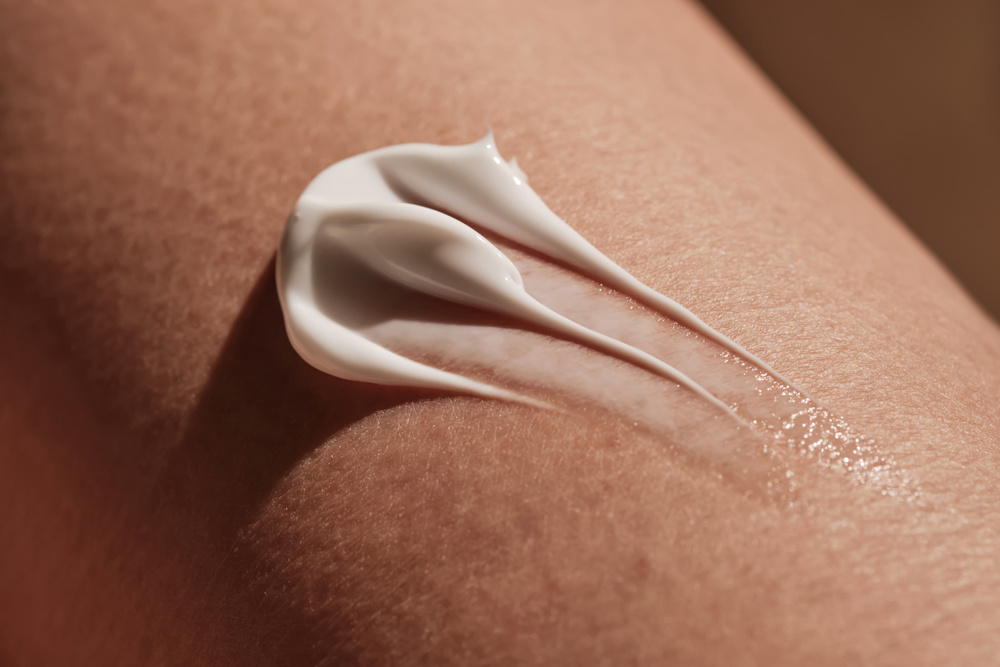
How Climate and Location Affect Your Moisturizer Needs
Seasonal advice is helpful, but climate matters just as much—sometimes more. Not everyone experiences winter the same way, and summer in a humid environment feels very different from a dry one. In humid climates, skin tends to retain more moisture naturally, which means heavy creams can quickly feel overwhelming or lead to breakouts.
Lightweight gels and water-based formulas often work year-round in these environments, with only minor adjustments during cooler months. In dry or high-altitude climates, the opposite is true. Moisture evaporates more quickly from the skin, making richer, more occlusive products necessary even outside of winter. Here, layering becomes essential—combining humectants, emollients, and occlusives to maintain hydration.
Urban environments also introduce additional stressors like pollution, which can weaken the skin barrier over time. This makes protective ingredients like antioxidants and barrier-repair creams more important, regardless of the season.
Explore how to build your own calendar to stay consistent with your beauty routine.
Your Spring and Summer Moisturizer Lineup
As the weather warms, your moisturizer needs to shift from protection to balance. Heavy creams that worked in winter can feel overwhelming, trapping oil and contributing to congestion. Lighter, more breathable formulas become essential.
Spring is all about transition. Temperatures fluctuate, so your skin needs hydration that adapts without weighing it down. Gel-based moisturizers and water creams are ideal here, delivering moisture without leaving a greasy residue. Ingredients like hyaluronic acid help retain hydration while keeping the texture light.
Summer takes this a step further. Heat and humidity mean your skin is already producing more oil, so your moisturizer should complement—not compete with—that process. Texture matters just as much as ingredients. Lightweight gels absorb quickly, making them ideal for layering under sunscreen or makeup. They also help prevent the sticky or heavy feeling that thicker creams can create in warm weather.

How to Tell When Your Moisturizer Isn’t Working Anymore
One of the most overlooked aspects of skincare is recognizing when something needs to change. Many people stick to the same moisturizer out of habit, even when their skin is showing clear signs that it’s no longer effective.
Dryness, tightness, or flaking often indicate that your current product isn’t providing enough hydration—common during colder months. On the other hand, increased oiliness, clogged pores, or breakouts may signal that your moisturizer is too heavy for warmer conditions.
Sometimes the signs are more subtle. A dull complexion, uneven texture, or increased sensitivity can all point to an imbalance in your routine. These changes don’t always happen suddenly—they build over time as environmental conditions shift.
What to Switch Up When the Cold Hits
When cold air arrives, it's time to retire your lightweight gels and reach for heavier creams, ointments, or barrier-rich formulas that lock in hydration. Choose products packed with ceramides, hyaluronic acid, or glycerin, and opt for jars or tubs over pump bottles — they're typically richer and more effective.
Prioritize post-shower application by patting your skin damp and immediately layering your moisturizer to seal in water. For acute dryness, add occlusive treatments like Aquaphor over your nighttime skincare routine on your face, hands, and body. Layer a hydrating serum underneath your cream for deeper moisture without clogging pores.
Don't forget indoor air quality. Running a humidifier combats the dry heat circulating through your home, giving your skin a fighting chance against the season. Even with reduced outdoor time in winter, sun protection remains essential, so opt for a moisturizing sunscreen that doubles as hydration support. If you find yourself in a pinch and need to measure out precise amounts of your skincare products, a circular cylinder calculator can help you determine the volume of cylindrical containers with just two known values.
Layering vs. Switching: A Smarter Way to Adapt Your Routine
Switching products entirely isn’t always necessary. In many cases, layering offers a more flexible way to adapt your moisturizer routine throughout the year. Instead of replacing your moisturizer every season, you can adjust what you use underneath or on top of it.
For example, adding a hydrating serum during colder months increases moisture without requiring a completely new cream. In warmer months, removing heavier layers can lighten your routine instantly. Facial oils are another useful tool. In fall and winter, layering an oil over your moisturizer helps seal in hydration and protect the skin barrier.
In spring and summer, skipping that step keeps your routine breathable. This approach reduces the need for constant product changes while still allowing your routine to evolve. It also helps maintain consistency, which is essential for long-term skin health.
How to Switch Your Moisturizer Routine Each Season
Keeping your skin balanced year-round means adjusting more than just product weight — it means rethinking your entire approach as each season shifts. Beyond seasonal fragrance and texture testing, smart shifts protect your moisture barrier without overwhelming it.
Follow this seasonal switching guide:
- Spring: Swap heavy creams for gel-based or hyaluronic acid formulas; reintroduce daily SPF.
- Summer: Choose oil-free, water-resistant moisturizers; double cleanse nightly to clear sunscreen and sweat.
- Fall: Layer facial oils over humectant-rich products; add vitamin C serums to repair sun damage.
- Winter: Use thick, lipid-rich creams with hydrating serums underneath; replace foaming cleansers with cream-based alternatives.
Your skin type and climate always drive the decision — not the calendar alone. In winter, broad-spectrum SPF remains essential even in cold months, as UV rays reflect off snow and light surfaces and can still cause skin damage.
Why Consistency Matters More Than Product Trends
With new skincare products constantly entering the market, it’s easy to feel like your routine needs to change frequently. But consistency often matters more than chasing trends. Your skin responds best to routines that are stable and predictable.
Constantly switching products can disrupt the skin barrier, making it harder to maintain balance—especially during seasonal transitions. This doesn’t mean ignoring innovation. It means introducing changes thoughtfully, rather than overhauling your routine all at once. Seasonal adjustments should feel gradual, not drastic.
A consistent routine also makes it easier to understand how your skin reacts. When fewer variables are changing at once, you can clearly see what works and what doesn’t. In the long run, simplicity and consistency create better results than constantly trying new products. A well-adjusted seasonal routine is far more effective than an ever-changing one.
Daily Moisturizer Habits That Survive Every Season
While products may change, certain habits remain essential year-round. These foundational practices keep your skin stable, regardless of seasonal shifts. Consistency is key. Applying moisturizer twice daily—morning and night—helps maintain hydration and support the skin barrier. Applying it to slightly damp skin enhances its effectiveness by trapping moisture.
Layering also matters. Moisturizer should be applied after serums to lock in active ingredients and prevent water loss throughout the day. This step ensures your routine works as a cohesive system rather than isolated steps. Hydration isn’t just topical. Drinking water and maintaining a balanced environment—especially through the use of humidifiers—supports skin health from within.
Attention to detail makes a difference. Hands, lips, and other exposed areas often need extra care, particularly in colder months. Keeping a travel-sized moisturizer ensures consistency even when routines are disrupted. Finally, ingredient awareness is important. Products with ceramides, hyaluronic acid, and nourishing oils provide reliable support across different conditions, making them adaptable throughout the year.
Conclusion
A seasonal moisturizer calendar isn’t about constantly changing your routine—it’s about understanding your skin well enough to adjust when it matters. Each season presents different challenges, but with the right approach, those challenges become manageable rather than disruptive.
By aligning your products and habits with environmental changes, you create a routine that works with your skin instead of against it. The result is not just better hydration, but greater consistency—skin that feels balanced, comfortable, and resilient throughout the year.