Interesting Facts About Moisturizers You Probably Never Knew
Most moisturizers are actually water-based, not oil-based—something many people never stop to consider. Oil alone can’t hydrate your skin because it contains no water, while ingredients like hyaluronic acid can hold up to 1,000 times their weight in moisture. Even oily skin needs hydration to stay balanced.
Once you look closer, moisturizers stop being simple products and start revealing a deeper system—one that blends chemistry, biology, and even modern lifestyle trends. Understanding how they actually work doesn’t just change your routine—it changes how you think about skincare altogether.
Moisturizers Are Mostly Water, Not Oil
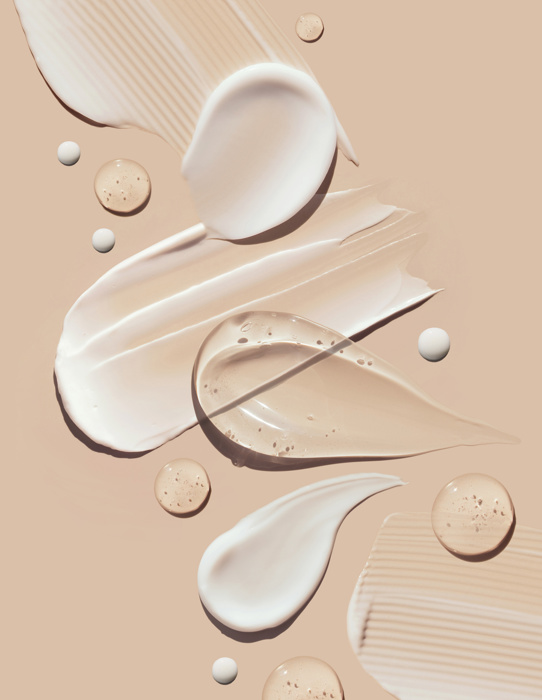
When you pick up a water-based moisturizer, you're holding a product that's mostly water, not oil. Water first formulations list water as the primary ingredient, creating a breathable consistency that absorbs quickly without heaviness. Gel textures, like those in Neutrogena Hydro Boost or Tatcha Water Cream, feel bouncy and lightweight while delivering surprisingly powerful hydration.
The secret lies in humectant dominance. Instead of relying on oils, these formulas use hyaluronic acid and glycerin to draw moisture directly into your skin. Hyaluronic acid holds up to 1,000 times its weight in water, giving you a plump, dewy complexion. Glycerin hydrates multiple skin layers without greasy residue.
Together, they counteract moisture loss while keeping your skin balanced, supple, and glowing throughout the day. Pairing your moisturizer routine with an understanding of your daily nutritional needs can further support skin health from the inside out. Less likely to clog pores than oil-based alternatives, water-based moisturizers are a smart choice for those with acne-prone or combination skin.
Why Moisturizers Target Water Loss, Not Oil Deficiency
Losing water, not oil, is what actually damages your skin. A natural water gradient pulls moisture outward from your deeper skin layers into dry air, weakening your barrier over time. Effective moisturizers address this through four targeted actions:
- Humectant mechanisms draw water from deeper layers toward your skin's surface
- Occlusive balance creates a partial seal that slows evaporation without blocking natural lipid production
- Barrier restoration accelerates when immature cells receive proper hydration support
- Emulsion formulations combine water-soluble and oil-soluble ingredients into one synergistic product
Oil alone can't rehydrate dehydrated skin since it contains zero water. Only water-based formulas with humectants and occlusives working together genuinely restore your skin's moisture levels. Beyond topical products, lifestyle factors such as stress and temperature can affect how efficiently your body regulates its natural barrier function, influencing how well your skin retains moisture throughout the day.
Sebum naturally migrates from the hair shaft to cover the outer epidermis, forming an oil-soluble protective layer that minimizes moisture loss and prevents foreign materials from entering the skin. Just as online tools simplify complex calculations through straightforward formulas, understanding your skin's moisture needs becomes more manageable when you recognize that hydration and energy principles share a common thread of measurable inputs producing predictable outputs.
Stir up your curiosity with more surprising facts about skincare and moisturizer.
The Three Ingredients Every Moisturizer Uses
Every effective moisturizer relies on three functional ingredient types: humectants, emollients, and occlusives. Humectant examples include glycerin, hyaluronic acid, urea, and AHAs like glycolic and lactic acids — all drawing water into your skin. Emollients like ceramides, squalane, and tocopherol smooth your skin's surface while preventing hydration from escaping.
Occlusives create a protective barrier that slows water evaporation. Despite occlusive myths suggesting ingredients like petroleum jelly or mineral oil clog pores or feel unbearably heavy, they're essential for locking in moisture, particularly for dry skin and eczema. Some ingredients, like dimethicone, serve dual roles as both emollients and occlusives.
Products like CeraVe combine glycerin, ceramides, and cholesterol, proving that drugstores and luxury moisturizers both rely on this same three-part framework. Hyaluronic acid is especially remarkable as a humectant because it can hold up to 1,000 times its own weight in water.

How Each Ingredient Type Targets a Different Skin Problem
Each ingredient category serves a specific purpose, which is why matching products to your skin concerns matters.
- Humectants help with dehydration and dullness
- Emollients improve texture and barrier repair
- Occlusives protect against environmental stress
When these are balanced correctly, moisturizers can address multiple concerns at once. For example, a ceramide-rich cream can both repair the barrier and improve hydration, while lighter formulas can regulate oil production without clogging pores.
This targeted approach is what makes modern skincare more effective—it’s less about “one product fits all” and more about understanding what your skin actually needs.
How Minimalist Skincare Changed Moisturizing Habits
Alongside the rise of ingredient awareness, skincare has also moved toward simplicity. The minimalist skincare trend—often summarized as “less but better”—has influenced how people approach moisturizing.
Instead of layering multiple heavy products, routines have become more focused. A well-formulated moisturizer is now expected to do more on its own—hydrating, supporting the skin barrier, and sometimes even delivering active ingredients. This shift has made moisturizers more central rather than just one step among many.
This change is partly a response to overcomplication. As more people experienced irritation from excessive product use, the idea of simplifying routines gained traction. Moisturizers became a stabilizing step—something that balances the effects of stronger treatments while maintaining overall skin health.
Can Moisturizers Reduce Inflammation and Itching?
While moisturizers are often seen as basic hydration tools, they can actively fight inflammation and itching through targeted active ingredients. Anti inflammatory emollients containing bisabolol or glycyrrhetinic acid suppress inflammatory mediators, reducing redness and discomfort.
Palmitoylethanolamide acts as a PPARα agonist, delivering both anti-inflammatory and analgesic effects, with studies showing 56% of patients discontinuing corticosteroids after use. Barrier targeted ceramides work alongside filaggrin breakdown products to downregulate cytokines and prostanoids, addressing inflammation at its source. Niacinamide reduces transepidermal water loss while increasing stratum corneum thickness with twice-daily application.
Pramoxine hydrochloride 1% provides itch relief within two minutes, lasting up to eight hours. Applying these formulas to damp skin post-soak maximizes penetration, accelerating healing and restoring comfort effectively. Formulations developed with dermatologists and featuring three essential ceramides use MVE technology to slowly release barrier-supporting ingredients long after application.
Why "Hypoallergenic" Moisturizers Can Still Cause Reactions
Moisturizers with targeted active ingredients can calm inflamed, reactive skin, but reaching for a product labeled "hypoallergenic" won't necessarily protect you from a reaction. Labeling loopholes allow manufacturers to self-regulate claims without FDA oversight, meaning hidden allergens often remain. Studies confirm:
- 83% of "hypoallergenic" moisturizers contained allergy-inducing ingredients.
- 89% of children's eczema products included at least one allergen.
- Fragrances appeared in 45% of "fragrance-free" moisturizers.
- Only 12% of top 100 best-selling moisturizers were allergen-free.
Even "dermatologist-recommended" or "paraben-free" labels don't guarantee safety. Preservatives like methylisothiazolinone, propylene glycol, and benzyl alcohol frequently trigger reactions. If you have sensitive skin, always check ingredient lists rather than trusting marketing claims. The American Contact Dermatitis Society named methylisothiazolinone allergen of the year in 2013, reflecting its growing role in skin reactions across countless personal care products.
Why Even Oily Skin Needs a Moisturizer
Many people assume oily skin doesn't need moisturizer, but skipping it actually triggers your sebaceous glands to overproduce sebum. Your skin relies on hydration signaling to maintain lipid balance, and without it, dehydration worsens oiliness.
Here's why moisturizing matters:
- Prevents overcompensation — Skipping moisturizer signals glands to produce excess sebum.
- Restores lipid balance — Emollients strengthen your skin barrier, reducing inflammation.
- Improves hydration signaling — Humectants like hyaluronic acid draw water into skin without adding oil.
- Reduces breakouts — non-comedogenic moisturizers balance hydration, preventing clogged pores.
Oily skin lacks sufficient water despite sebum presence. Lightweight moisturizers regulate sebum production, keeping your skin clear, balanced, and comfortable. Moisturizer also protects your skin by creating a barrier against environmental elements and everyday irritants.
Why Moisturizers Became a Daily Habit
Moisturizing wasn’t always a universal daily routine. In earlier decades, skincare was often reactive—people reached for products only when dryness, irritation, or visible issues appeared. Over time, that approach shifted as both dermatology and consumer awareness emphasized the importance of consistency.
This transition reflects a broader change in how people think about self-care. Instead of waiting for problems to develop, there’s a stronger focus on prevention. Maintaining hydration, protecting the skin barrier, and supporting long-term skin health have become priorities, especially as more information about skincare has become widely accessible.
Daily moisturizing fits naturally into this mindset because it’s simple and sustainable. It doesn’t require complex routines or expensive treatments—just consistent application. Over time, it became one of the most reliable habits in modern skincare, forming the foundation of routines across different skin types and lifestyles.
The Role of Social Media in Skincare Awareness
Social media has significantly reshaped how people learn about skincare. Platforms like TikTok, YouTube, and Instagram have turned what was once specialized knowledge into something widely accessible, often delivered in short, engaging formats.
Short-form content plays a key role in this shift. Complex topics—like hydration, ingredient interactions, or barrier repair—are broken down into quick explanations that are easy to understand and share. This has lowered the barrier to entry, allowing more people to engage with skincare without needing a technical background.
At the same time, this format changes how information is consumed. Skincare is no longer learned through long-form guides or professional consultations alone—it’s experienced through trends, routines, and visual demonstrations. Viewers can see products being applied, compare results, and follow step-by-step processes in real time.
Why Skin Barrier Became a Skincare Buzzword
One of the most noticeable shifts in recent skincare discussions is the rise of the “skin barrier” as a central concept. What was once a technical term used in dermatology has become a common reference point in everyday routines.
This shift reflects a deeper understanding of how skin functions. Rather than focusing only on surface-level concerns like dryness or acne, more people are paying attention to the underlying systems that keep skin healthy. The barrier—responsible for retaining moisture and protecting against external stressors—has become a key part of that conversation.
As this concept gained visibility, it reshaped how products are marketed and used. Ingredients like ceramides, fatty acids, and humectants are now discussed in terms of how they support or repair the barrier. Instead of chasing quick results, there’s a growing emphasis on maintaining balance and avoiding overuse of harsh treatments.
Conclusion
Moisturizers might seem simple, but they’re built on a complex balance of science and function. From water-based formulas to barrier repair, they do far more than just soften the skin. At the same time, their role has expanded beyond basic care.
Social media, lifestyle trends, and evolving beauty standards have turned moisturizing into a daily habit tied to identity, knowledge, and self-care. Understanding how moisturizers actually work allows you to move beyond marketing and make more informed choices. It turns a routine step into something intentional—something that reflects not just what you use, but how you think about your skin.