Skincare Tips for Traveling in Texas’ Changing Climates

Traveling across Texas means experiencing dramatic climate shifts, from dry desert air in the west to humid coastal conditions along the Gulf. These changes can affect your skin quickly, making it important to adjust your routine based on where you are and how long you’re staying.
A consistent foundation—broad-spectrum sunscreen, gentle cleansing, and lightweight hydration—can help protect your skin across regions. The key is understanding how different environments impact your skin and making small adjustments to maintain balance and comfort throughout your trip.
How Texas Heat, Humidity, and Dryness Affect Your Skin
Texas weather varies widely by region, and each environment affects your skin differently.
High temperatures increase transepidermal water loss, which can leave your skin dehydrated. In humid areas like the Gulf Coast, excess moisture in the air can contribute to oil buildup and clogged pores, especially when combined with sweat and sunscreen.
In contrast, West Texas’s dry climate can weaken your skin barrier, leading to dryness, irritation, and flaking. Seasonal changes also play a role, with hotter summers increasing sun exposure and cooler months bringing drier air.
Understanding these regional differences allows you to adjust your skincare routine and protect your skin more effectively while traveling.
The 5 Skincare Products That Work Across Texas Climates
You don’t need a completely different routine for every region. A few versatile essentials can work across Texas climates:
- Broad-spectrum sunscreen (SPF 30 or higher): Protects against strong UV exposure statewide
- Gentle cleanser: Removes sweat, oil, and sunscreen without damaging the skin barrier
- Lightweight moisturizer: Hydrates without feeling heavy in heat or humidity
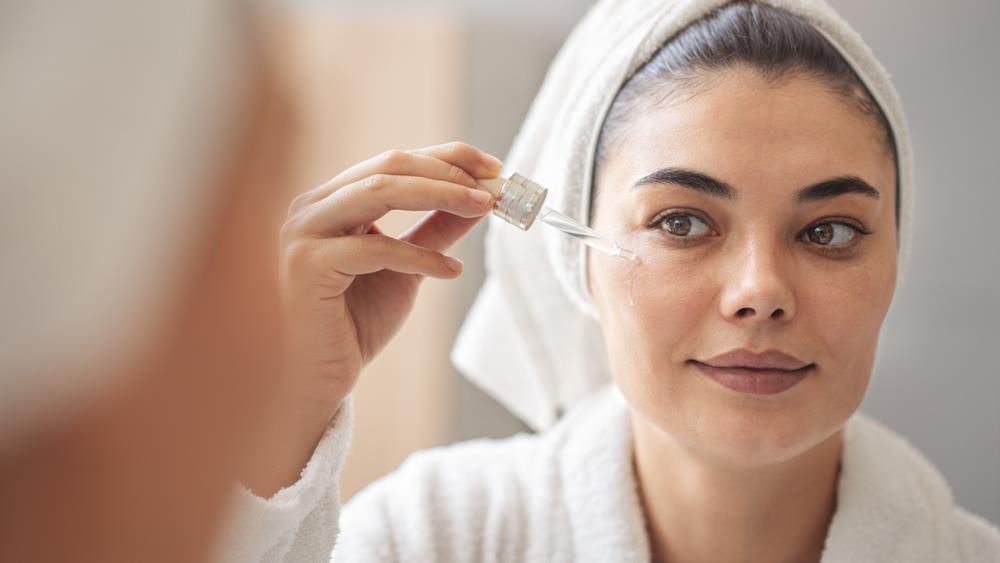
- Antioxidant serum (e.g., vitamin C): Helps defend against environmental stressors
- Hydrating mist or toner: Provides quick refreshment in dry or hot conditions
These products form a flexible routine that can be adjusted depending on humidity, temperature, and sun exposure.
Product Examples for Practical Use
For travelers looking for reliable options, widely available products can simplify your routine.
- Sunscreen: EltaMD UV Clear SPF 46, La Roche-Posay Anthelios SPF 50
- Cleanser: CeraVe Hydrating Cleanser, Cetaphil Gentle Skin Cleanser
- Moisturizer: Neutrogena Hydro Boost (lightweight), CeraVe Moisturizing Cream (richer option)
- Antioxidant serum: Skinceuticals C E Ferulic, La Roche-Posay Vitamin C Serum
These examples are commonly recommended for their gentle formulations and effectiveness across skin types.
West Texas Skincare: Surviving Arid Desert Conditions
West Texas is known for its low humidity and intense sun exposure, which can quickly dry out your skin.
To maintain hydration, use layered skincare, starting with a hydrating serum followed by a richer moisturizer to lock in moisture. Sunscreen is especially important in this region due to strong UV exposure and minimal cloud cover.
Temperature swings between day and night can also affect your skin, so reapply moisturizer as needed and avoid harsh cleansers that strip natural oils. A focus on barrier repair and moisture retention is key in this environment.
Gulf Coast Skincare: Managing Humidity and Sun Exposure
Along the Texas Gulf Coast, high humidity and sun exposure create a different set of challenges.
Use lightweight, oil-free products to prevent clogged pores, and choose water-resistant sunscreen when spending time outdoors or near the water. Sweat, salt air, and sunscreen buildup make gentle cleansing especially important.
Reapplying sunscreen every two hours—and after swimming—is essential. A simple routine that balances hydration and oil control works best in humid coastal conditions.
Central Texas and DFW: Balancing Heat and Dry Air
Central Texas and the Dallas–Fort Worth area often experience hot temperatures combined with moderate to low humidity, particularly during summer.
Lightweight hydration paired with sunscreen helps maintain balance without overwhelming your skin. Environmental factors like pollution and allergens can also affect sensitive skin, so incorporating antioxidants like vitamin C or niacinamide can be beneficial.
Indoor air conditioning can further dry out your skin, so using a moisturizer at night helps restore hydration after a day outdoors.
Adjusting Your Texas Skincare Routine by Season
Seasonal changes across Texas require small but important adjustments to your skincare routine.
- Spring: Use lightweight products that can handle fluctuating temperatures
- Summer: Focus on oil-free hydration and consistent sun protection
- Fall: Transition to slightly richer moisturizers as humidity drops
- Winter: Use heavier creams to combat dry air and protect the skin barrier
Rather than completely changing your routine, adjust product textures and hydration levels based on the season and region.
Practical Skincare Tips for Traveling in Texas
When traveling, simple habits can help maintain healthy skin across changing climates:
- Reapply sunscreen regularly, especially during outdoor activities
- Stay hydrated, as internal hydration supports skin health
- Avoid over-cleansing, which can strip natural oils
- Carry travel-sized essentials for easy reapplication throughout the day
- Introduce new products gradually to avoid irritation while traveling
These small adjustments can make a noticeable difference in how your skin responds to Texas’s diverse environments.
Sun Protection Tips for Outdoor Activities in Texas
Outdoor activities are a major part of visiting Texas, making sun protection especially important.
When spending time at the beach, hiking trails, or outdoor festivals, apply sunscreen at least 15 minutes before sun exposure and reapply every two hours. Use water-resistant sunscreen when swimming or sweating.
Wearing wide-brim hats, sunglasses, and lightweight protective clothing can provide additional defense against UV rays. Seeking shade during peak sun hours—typically between 10 a.m. and 4 p.m.—can also help reduce exposure.
These habits are particularly important in Texas, where strong sunlight and extended outdoor activities can increase the risk of sun damage.